
Nanoscale photochemistry · Est. 2022
Green hydrogen,
split with light
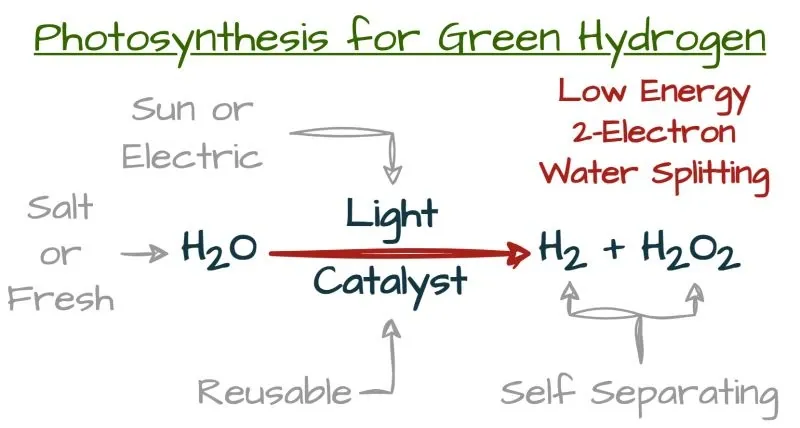
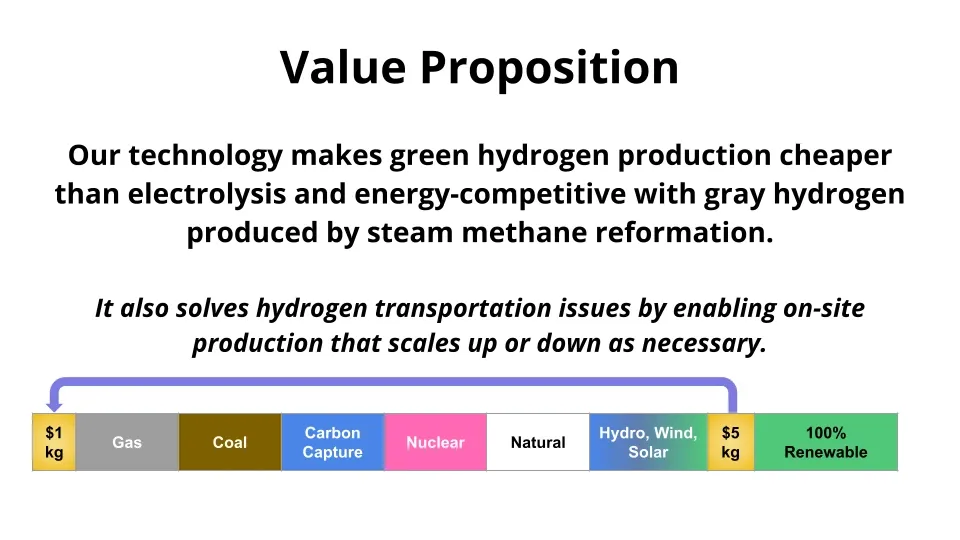
Artificial photosynthesis takes a single hydrogen atom off a water molecule with light and a reusable catalyst — 40% less energy per kilogram than electrolysis, and nearly free under direct sun.
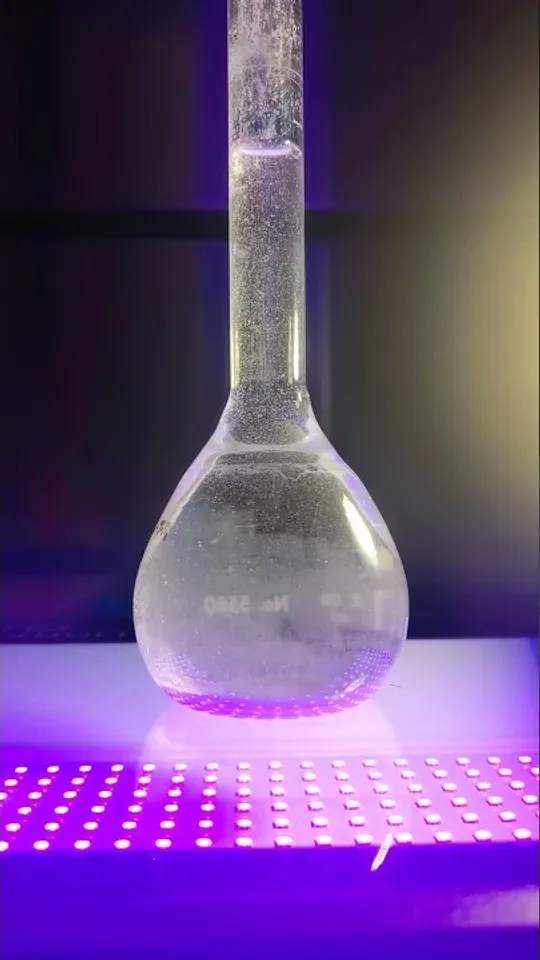 Play: Hydrogen from water: proof of concept (opens on YouTube if scripting is unavailable)
40%
Less energy per kilogram than electrolysis
2e⁻
Electron pathway, against electrolysis’ four
H₂O₂
Second product, self-separating from the gas
2022
Founded, bootstrapped, two founders
Section 01
Two electrons, not four
We split water with light instead of blasting it apart with current. The two-electron pathway finesses one hydrogen atom off the molecule; the parts recombine as hydrogen and hydrogen peroxide — a gas and a liquid, so they separate themselves.
Electrolysis, developed since the 1960s, uses a four-electron process to make hydrogen and oxygen, which must then be separated. Fifty percent or more of its cost per kilogram is the electricity itself — and if that electricity is not additional renewable capacity, the hydrogen is not green.
Section 02
Partnership
Announced 2026
Técnico Solar Boat
We are working with the student engineering team at Instituto Superior Técnico, whose solar-powered and hydrogen craft race on real water against real weather. It is the sharpest test bed we could ask for: on-site production, on-demand demand, and engineers who will tell us plainly when something does not work.
tecnicosolarboat.com ↗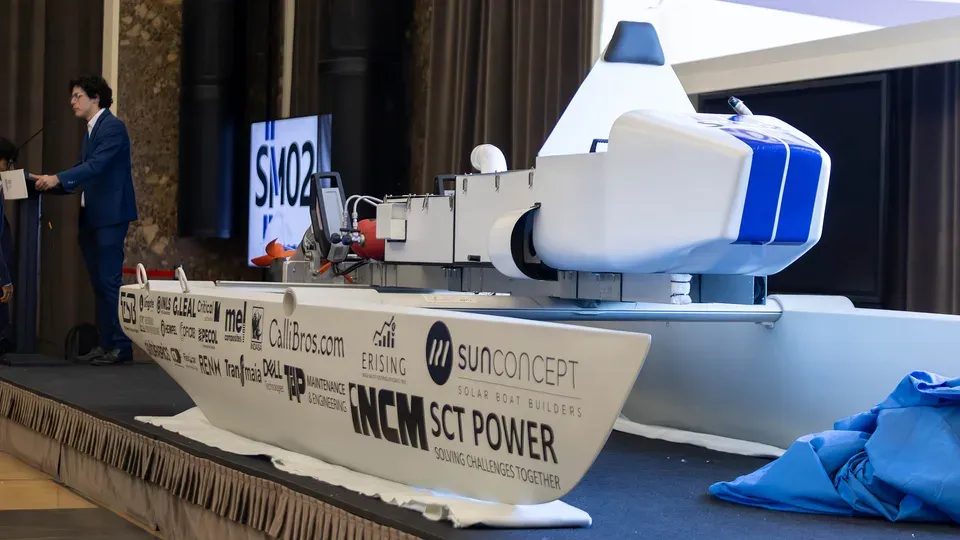
Técnico Solar Boat unveils SM02, its new hydrogen-powered boat
Section 03
Media
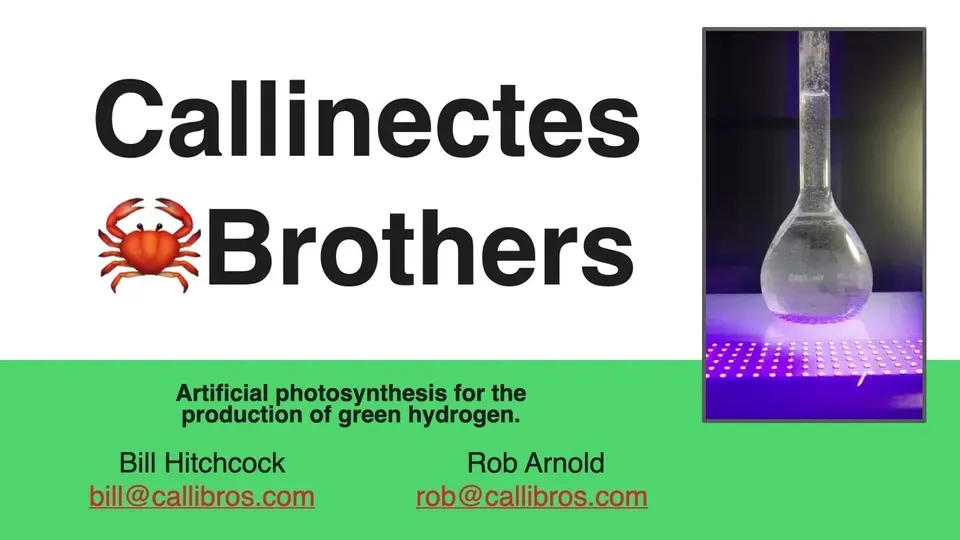
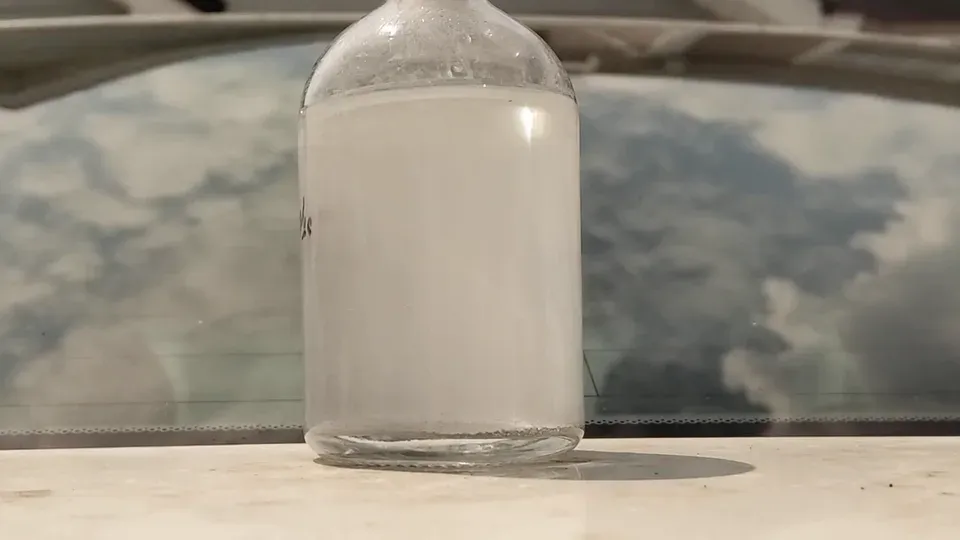
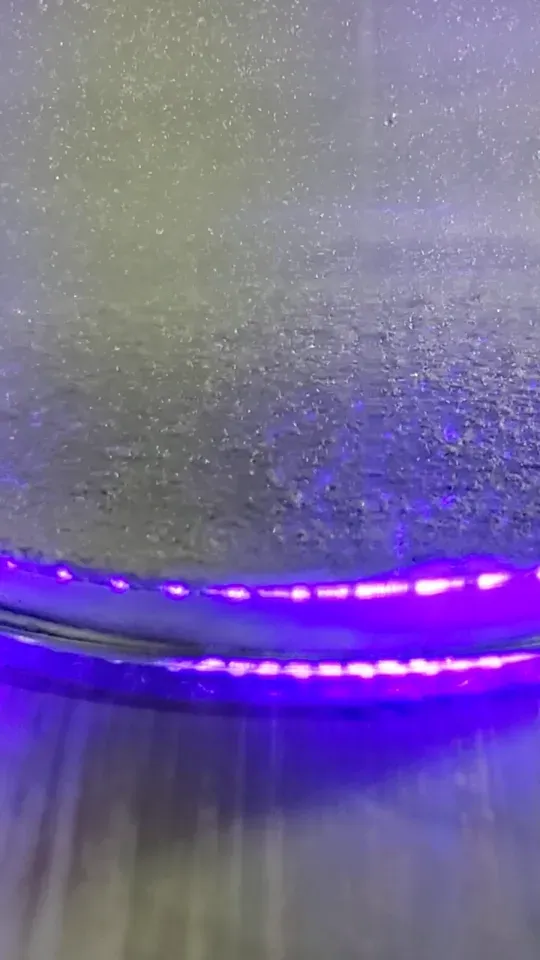
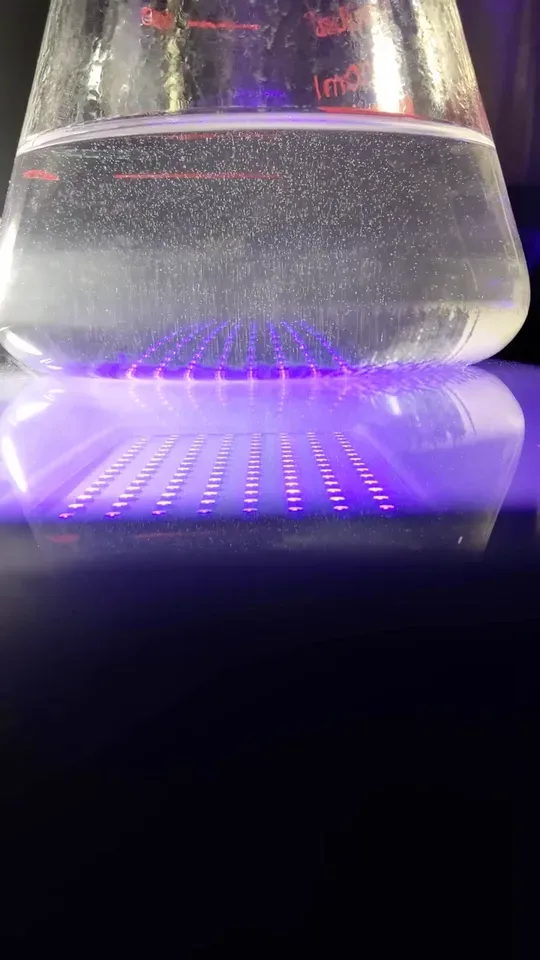
Films, bench footage and stills — the evidence, in one place.
01 / Films
03 / Stills from the bench
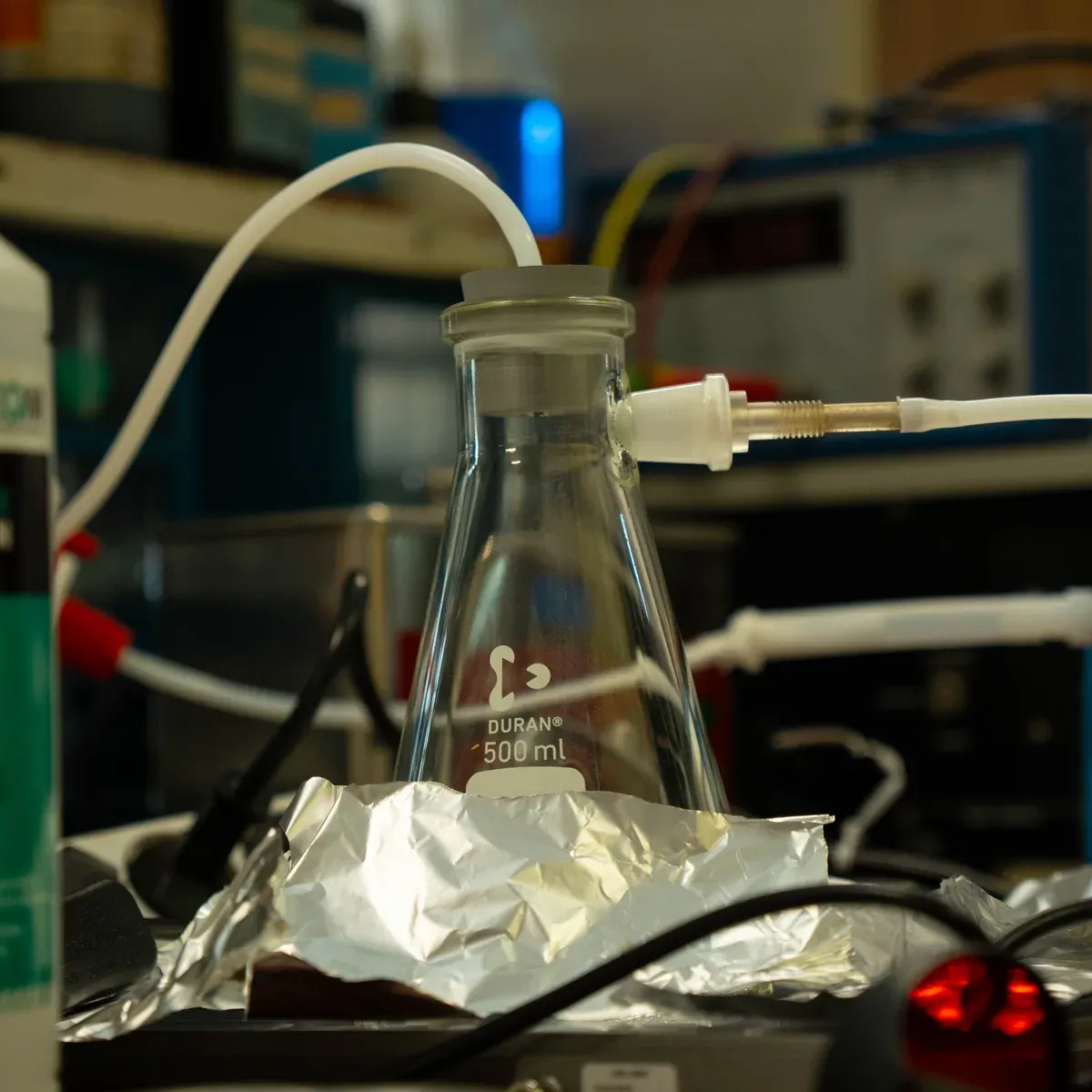
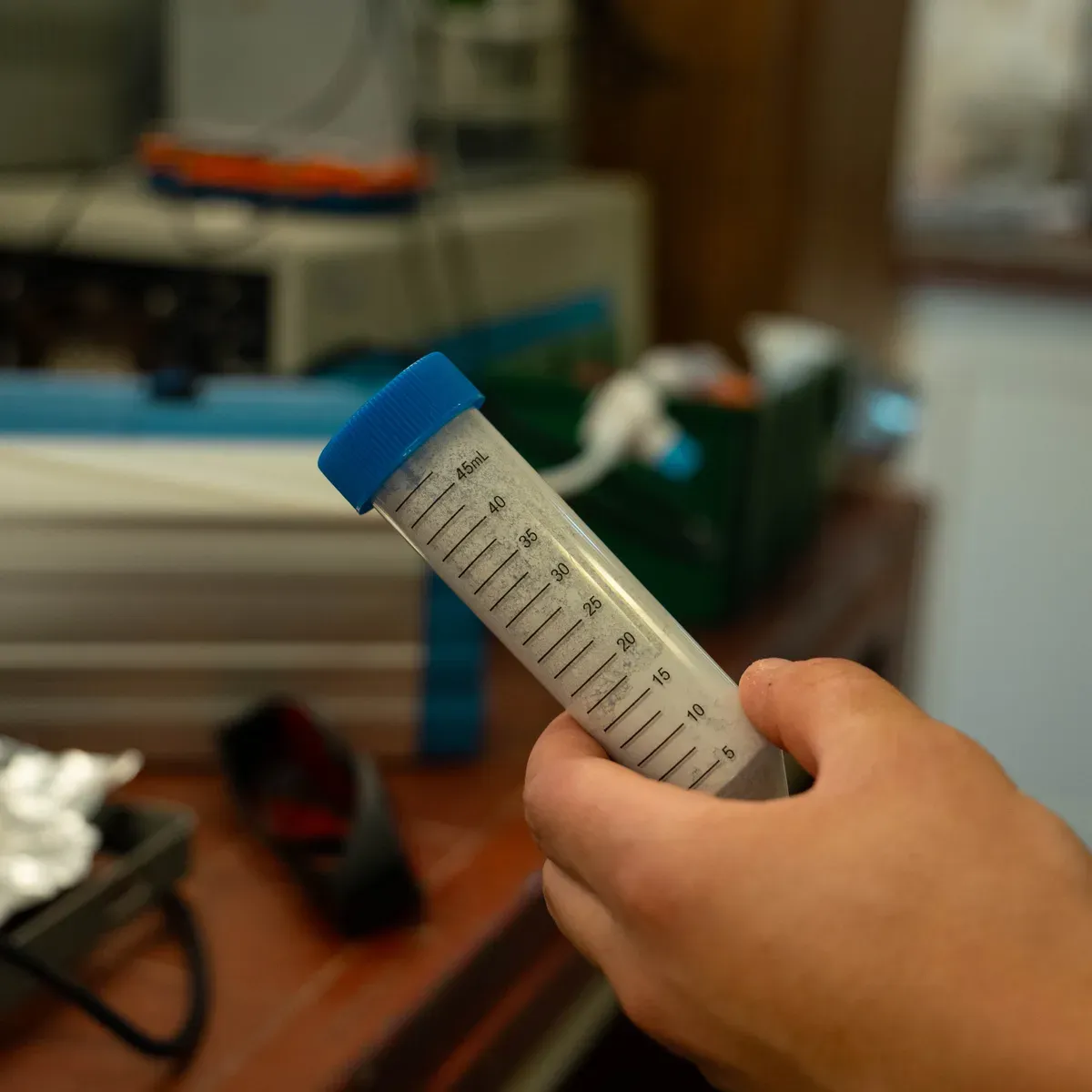
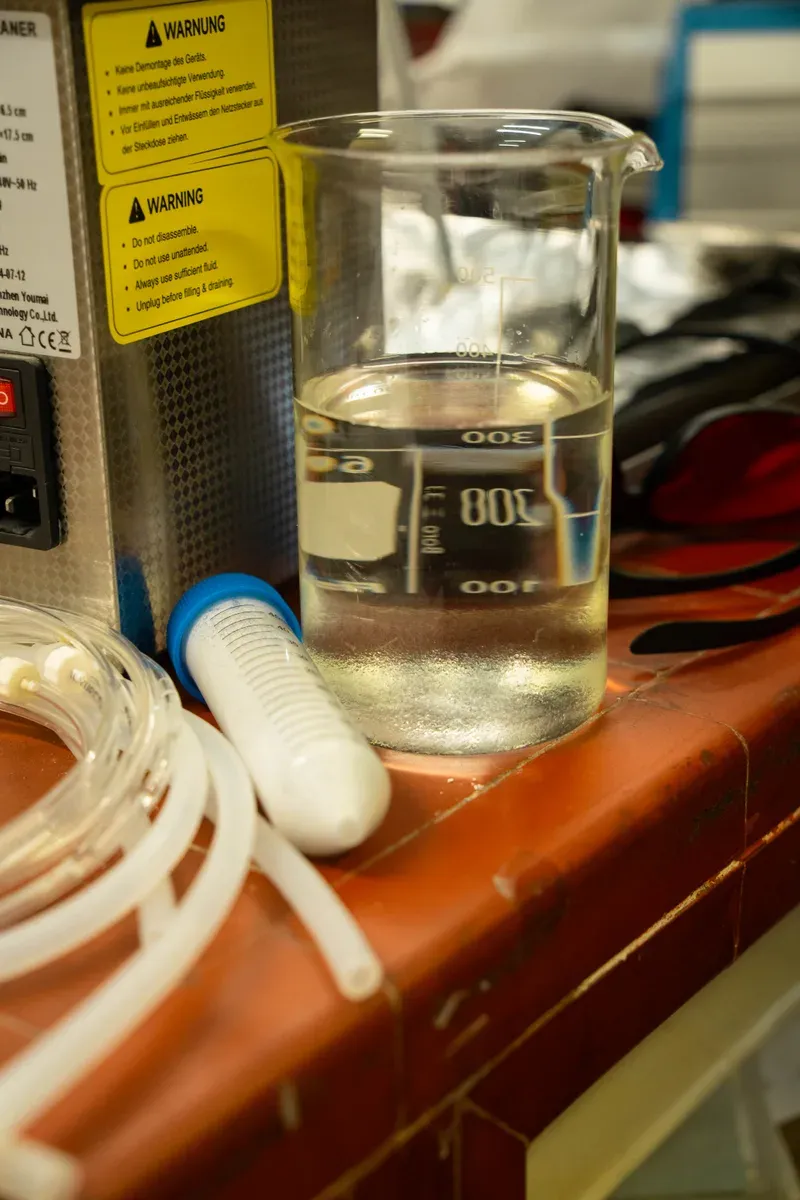
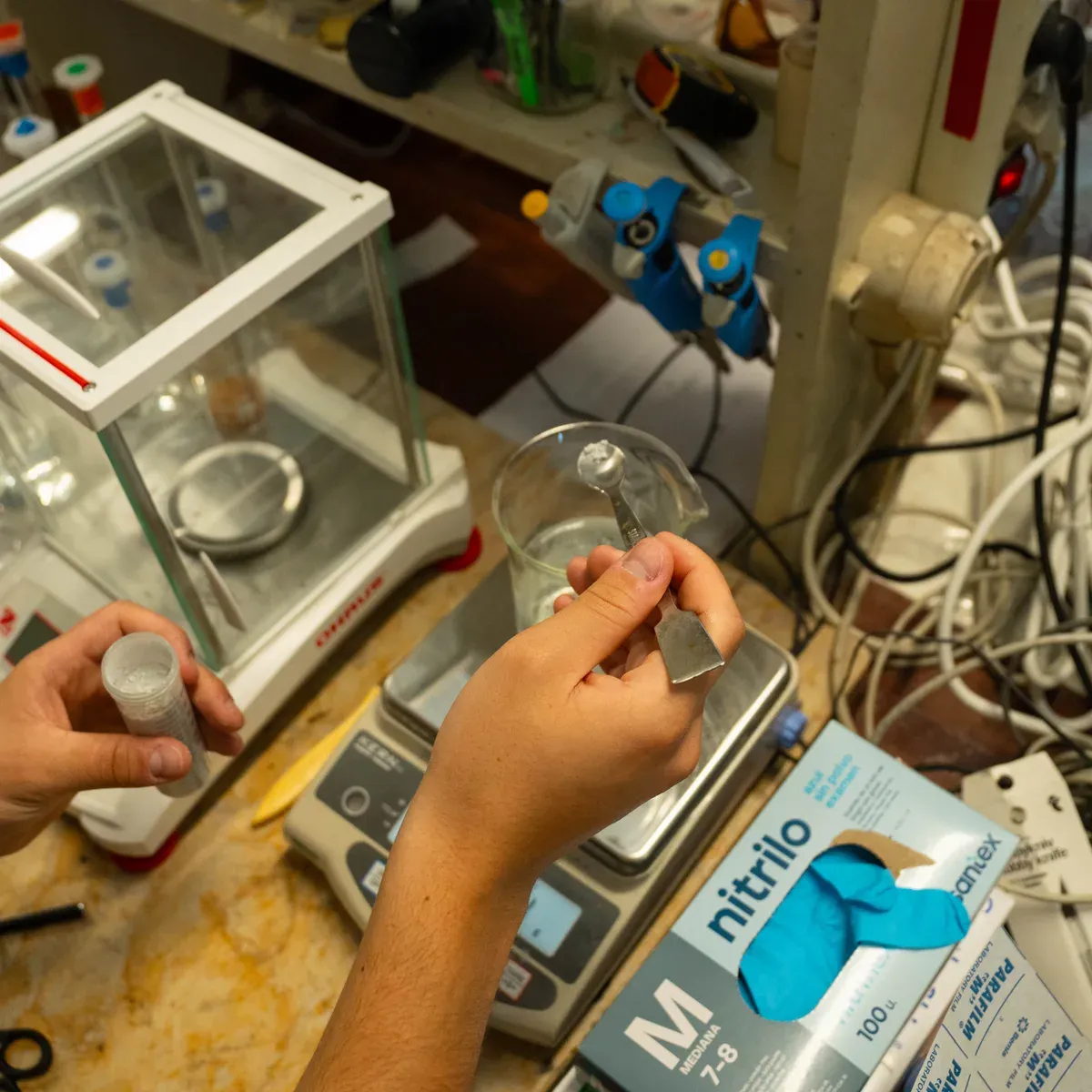
More videos are on the way.
Section 04
Licensing
By application and by region. The US and EU are the initial targets; other regions as the State Department allows.
| Area | United States | European Union | Global Areas |
|---|---|---|---|
| Industrial | — | — | — |
| Utility | — | ||
| Transportation | — | — | — |
| Space Travel | — | — | — |
| Military & defense | — | — | — |
* Potential early adopters with whom we are in discussion. Early partners steer our R&D toward their own customers — an exclusive club for the first few years, because we will not spread ourselves thin.
Section 05
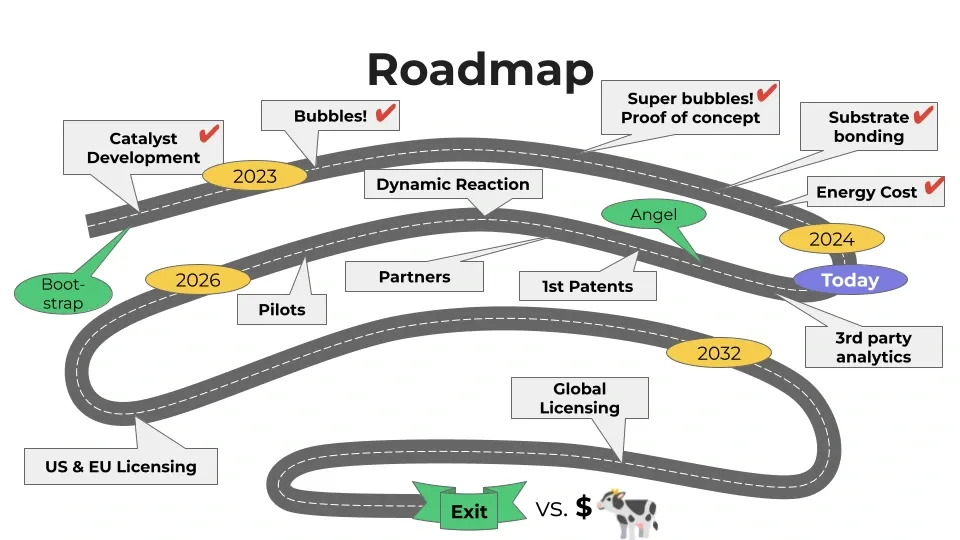
Where we are headed
Applied Science
Phase One
- Catalyst development
- Proof of concept
- Production economics
- 3rd party analytical resultswe are here
- Angel financing
- Intellectual property
- Partnerships
Pilot Scale
Phase Two
- Catalyst production
- Safety research and engineering
- Fixed costs forecasting and planning
- Pilot skids or plant
- Green hydrogen market entry through partners
Scale Up
Phase Three
- United States licensing
- European Union licensing
- Global licensing
- Hydrogen peroxide applications
Section 06
Help wanted
Where an introduction, an hour, or a hard question would move us forward.
People
- Introductions to partners
- Mentors
Expertise
- Engineering & Safety
- Business Development
- Green hydrogen programs
Reach
- United States
- European Union
- Capitalization
- Competitors, know any?
Want to talk?
We are looking for partners, mentors, and the kind of question that makes us go back to the bench.